Embassy Theatre: A Century in Light
Streamliner Productions x Wellington City Council - Embassy Theatre Centenary, October 2024
The Building
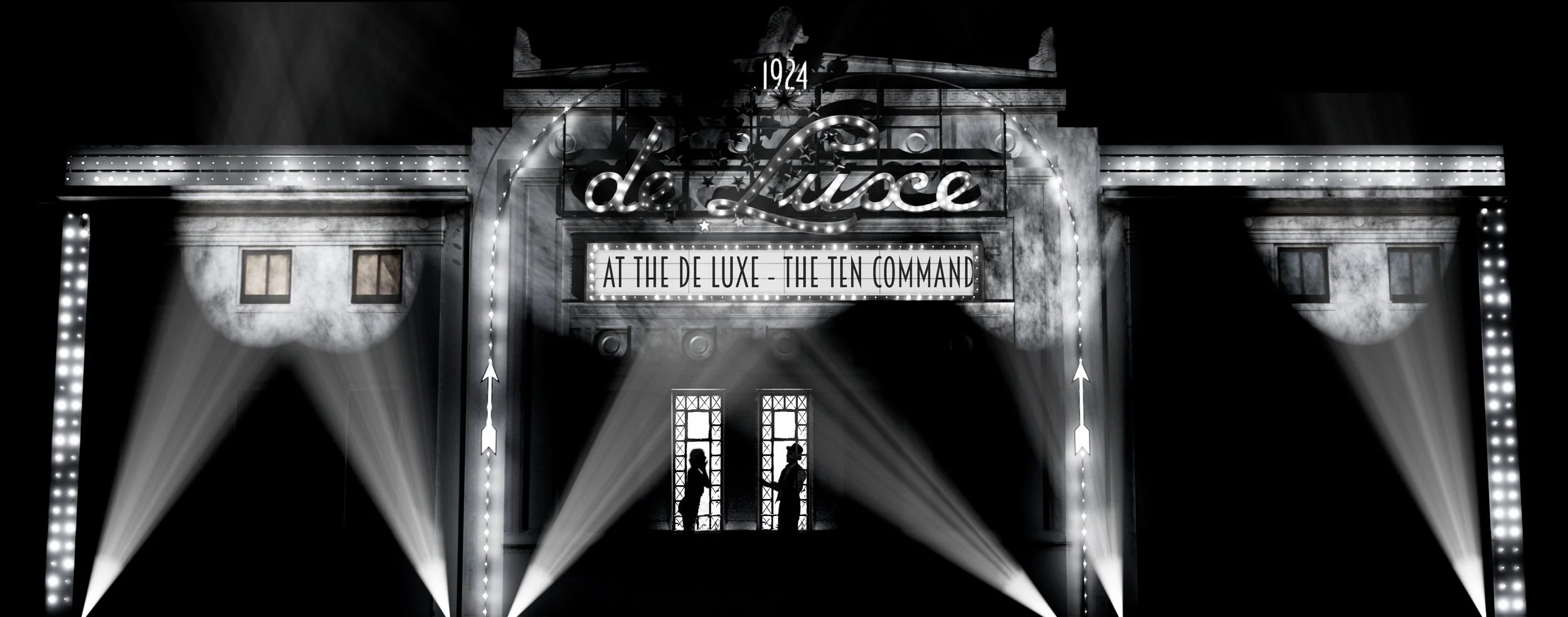
On 31 October 1924, Wellington's De Luxe Theatre opened its doors for the first time, with Cecil B. DeMille's The Ten Commandments playing to a packed house. One hundred years later, that same building — now known to the world as the Embassy Theatre — stands as the oldest operating cinema in New Zealand, a Heritage New Zealand Pouhere Taonga Category 1 registered landmark, and one of the most recognisable facades on Courtenay Place.
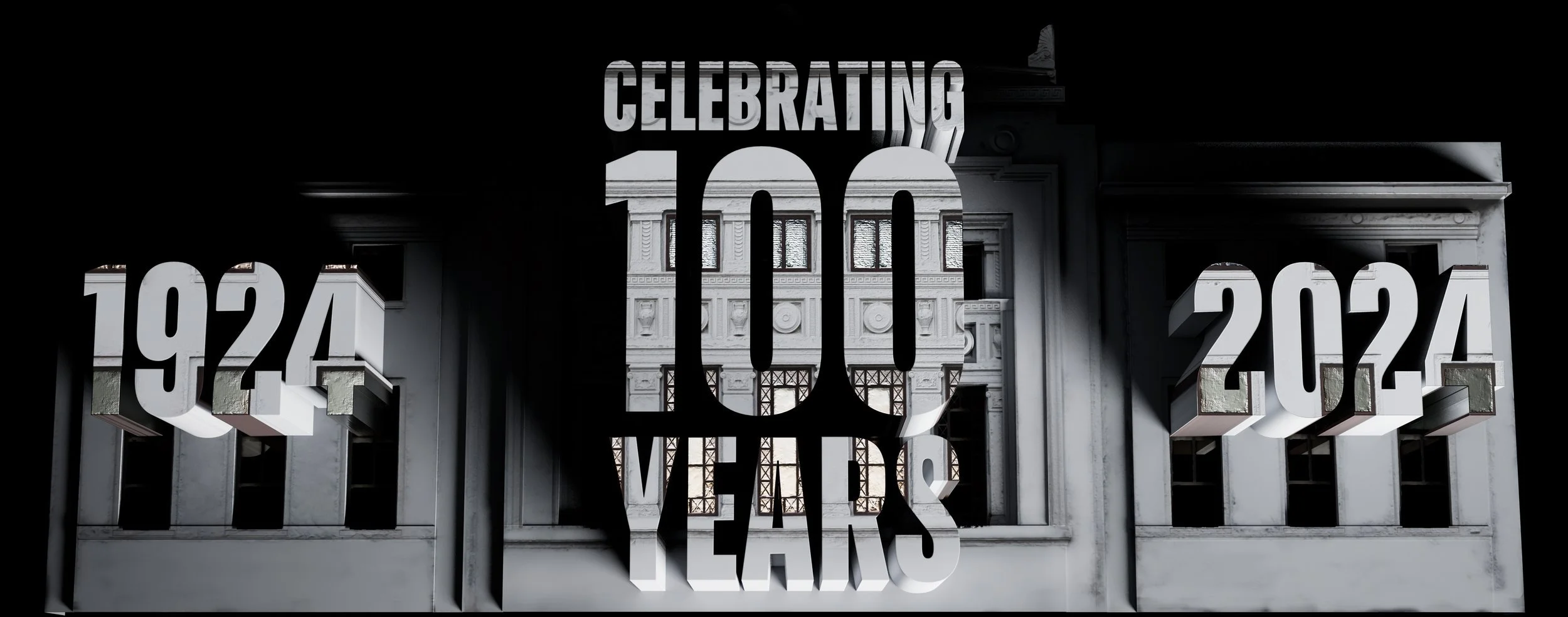
Owned by Wellington City Council, the Embassy has shaped the city's cultural identity across a century of change — from the trams and silence of the 1920s, through the arrival of the talkies and the Wurlitzer organ years, to the global spectacle of Peter Jackson's Lord of the Rings world premieres in the early 2000s. Marking its centenary deserved something that matched the weight of that history.
The Brief
Wellington City Council commissioned a week-long programme of centenary events running from 26 to 31 October 2024, with architectural projection mapping on the Embassy's front facade as the centrepiece. The projections were to run each evening from 7.30pm to 11pm, bringing the building's story to life for Wellingtonians gathering on Courtenay Place. Streamliner Productions was engaged to deliver the technical projection, with Wellington-based creative studio Artificial Imagination responsible for all content creation.
The Production
Streamliner deployed multiple large-format projectors to map the full front facade of the Embassy, turning the building's heritage architecture into a canvas for a century of stories. Architectural projection at this scale requires precision: the geometry of the building — its surfaces, recesses, signage ledges, and structural details — has to be mapped exactly, so that content lands on the right surface, at the right scale, in a way that feels integrated rather than imposed. On a Heritage Category 1 building of this profile, on a live public street, there is no margin for anything less than a technically clean result.
The Content
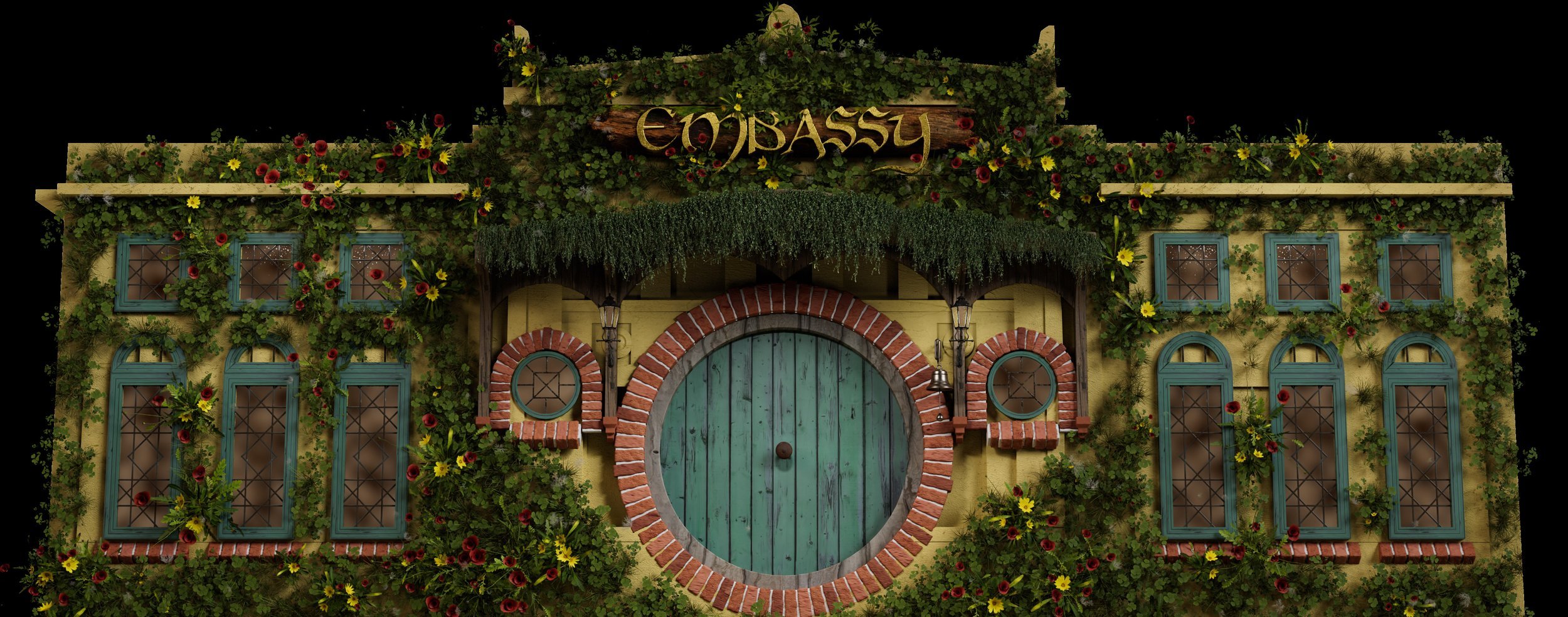
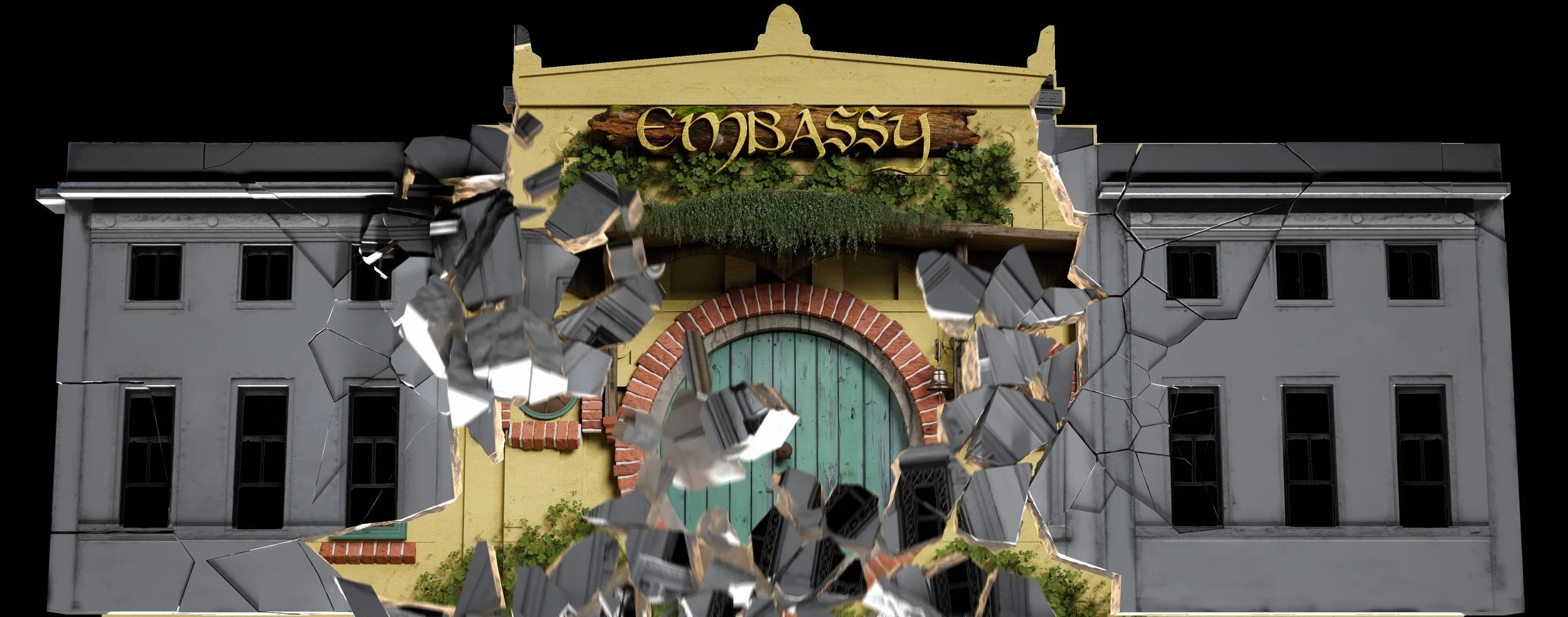
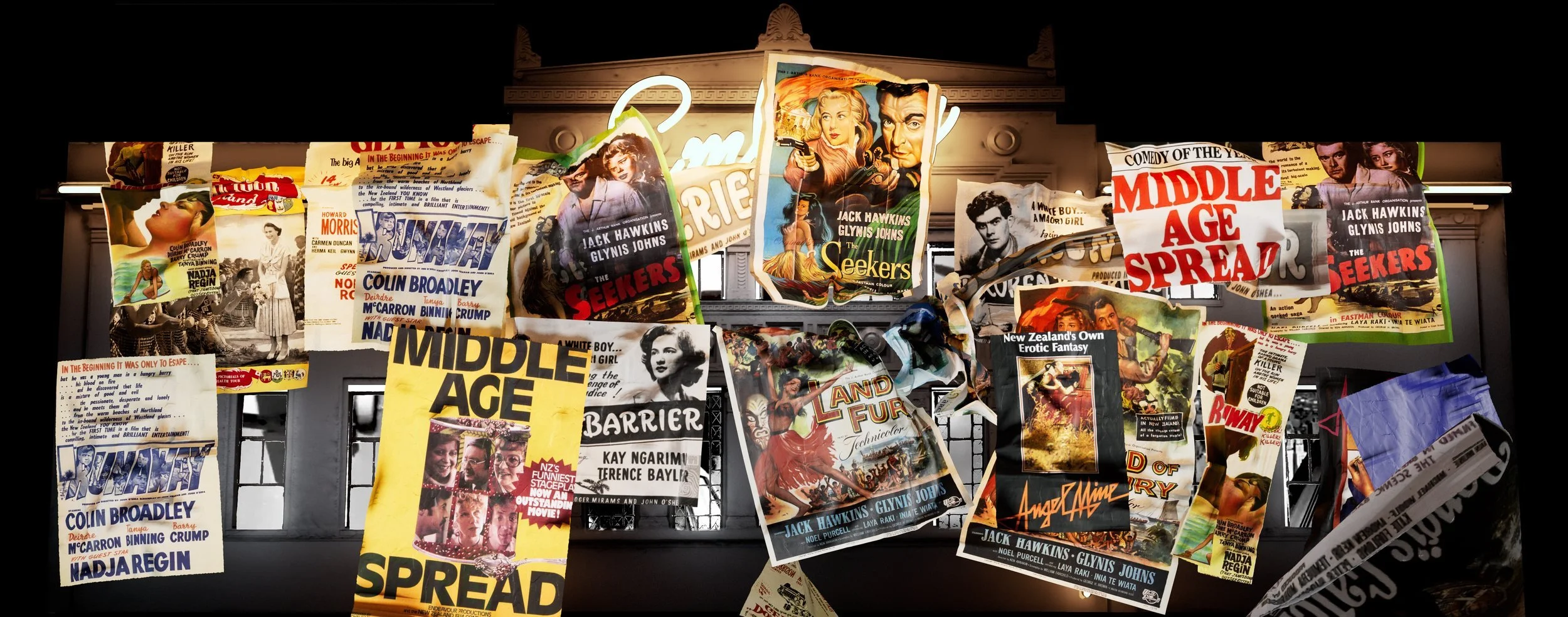
The creative work was handled by Artificial Imagination, a Wellington-based studio whose approach to the brief was as thoughtful as the building deserved. Working primarily in Cinema 4D, the team built a visual narrative that moved through the Embassy's decades — incorporating historic film posters from the theatre's programme across the years, and faithfully recreating the various iterations of signage the building has worn over its century of life. The result was not a montage of stock footage, but a piece of bespoke architectural storytelling where the building itself was the subject.
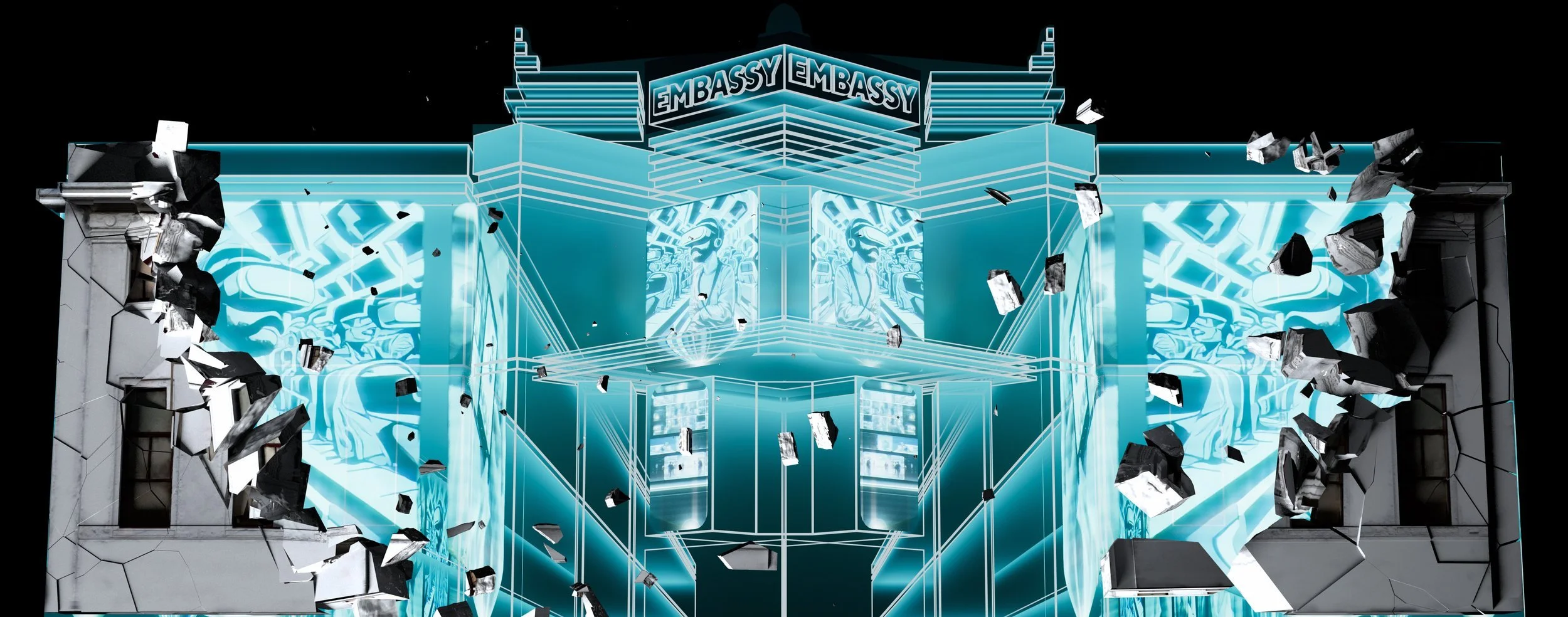
The show concluded with a look forward: a "future" scene in which holograms — generated using stream diffusion running inside TouchDesigner — depicted potential experiences of cinema goers yet to come. Past, present, and future, all told on the surface of the building that had witnessed them.
The Night
The 31 October birthday fell exactly one hundred years after the Embassy's opening night. A free public screening of the original Ten Commandments — the very film that opened the De Luxe in 1924 — was held at 6.30pm, before the evening projection ran as it had every night that week. The celebration drew significant media attention and brought Wellingtonians out to Courtenay Place to experience their city's most storied building in a way they never had before.
Local ward Councillor Nicola Young described the events as transporting Wellingtonians through time: "The planned events will transport Wellingtonians through time as they experience the theatre's unique stories, history and cultural impact, and consider their importance for future generations to come."
What It Took
Projection mapping a heritage building on a public street is a different challenge to a controlled event environment. The weather, ambient light levels, foot traffic, and the constraints of working on a protected structure all add layers of complexity that require experience to navigate. What Streamliner brought was the technical precision to map an intricate facade cleanly, and the production experience to make six consecutive nights of public-facing work look effortless.
When the content is this strong and the building this significant, the production's job is to get out of the way and let both of them speak. That is exactly what happened.